
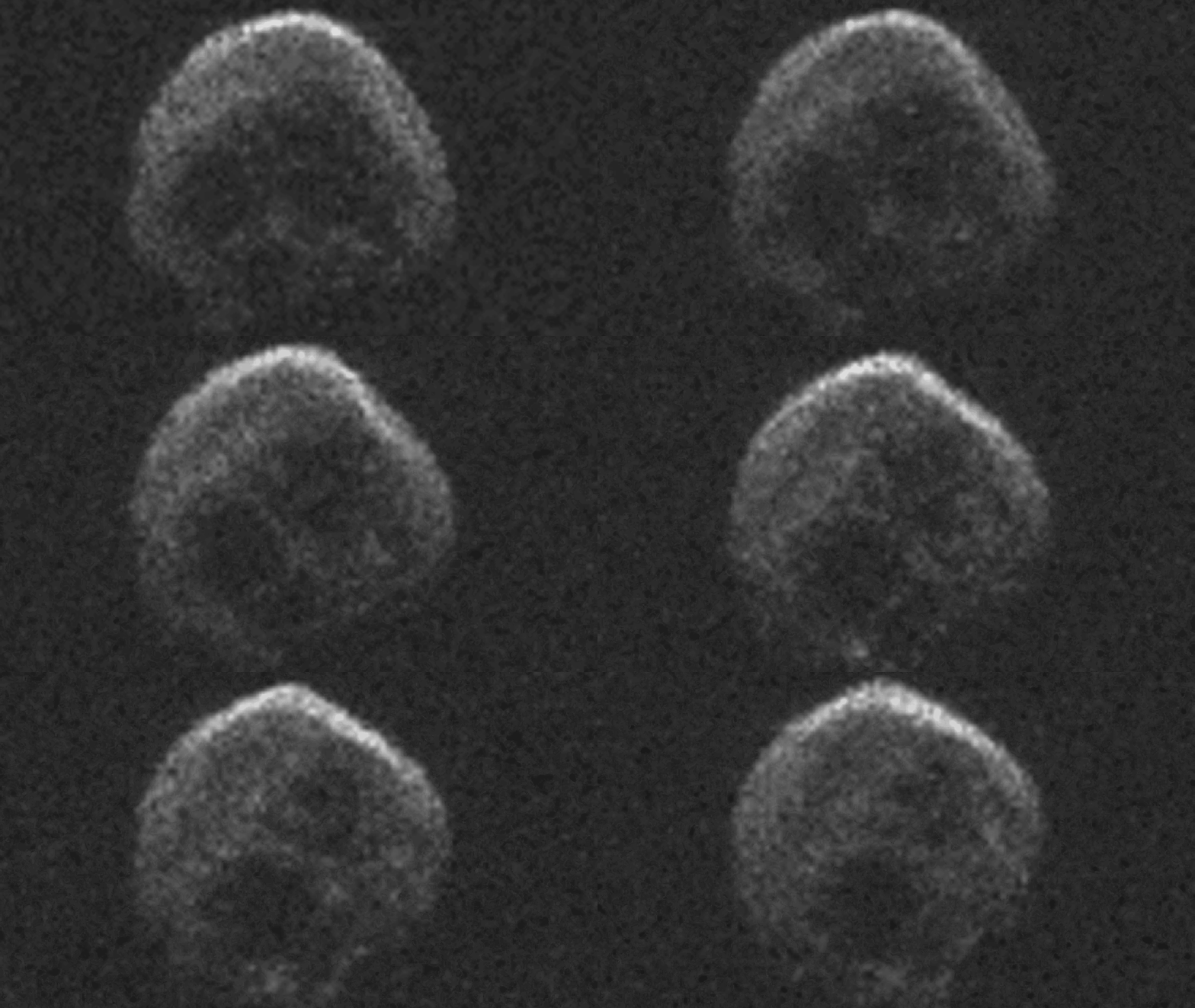
This image of asteroid 2015 TB145, a dead comet, was generated using radar data collected by the National Science Foundation's 1,000-foot (305-meter) Arecibo Observatory in Puerto Rico on Oct. 30, 2015. NAIC-Arecibo/NSF
A large space rock, categorized as 2015 TB145, will pass by Earth Saturday afternoon, 302,000 miles away and just in time for Halloween.
NASA had previously dubbed it the Great Pumpkin, referencing the old Peanuts cartoons, but new radar maps taken on Friday by the Arecibo Observatory in Puerto Rico show the face of a skull, at least by the eggheads’ reckoning. If you didn’t notice the supposed resemblance yourself, rest assured it’s not the first time people have subconsciously seen faces in images from beyond the Earth.
Scientists had also previously thought 2015 TB145 an asteroid, but they’ve now figured it a dead comet—a comet that has lost the ice that gives it a glow.
The zombie rock will be closest to earth at 1:01 p.m. EDT, but thanks to an abundance of daylight most in North America will be unable to see it. The major scares of Halloween will likely wait until dark.
See the Spookiest Space Photos
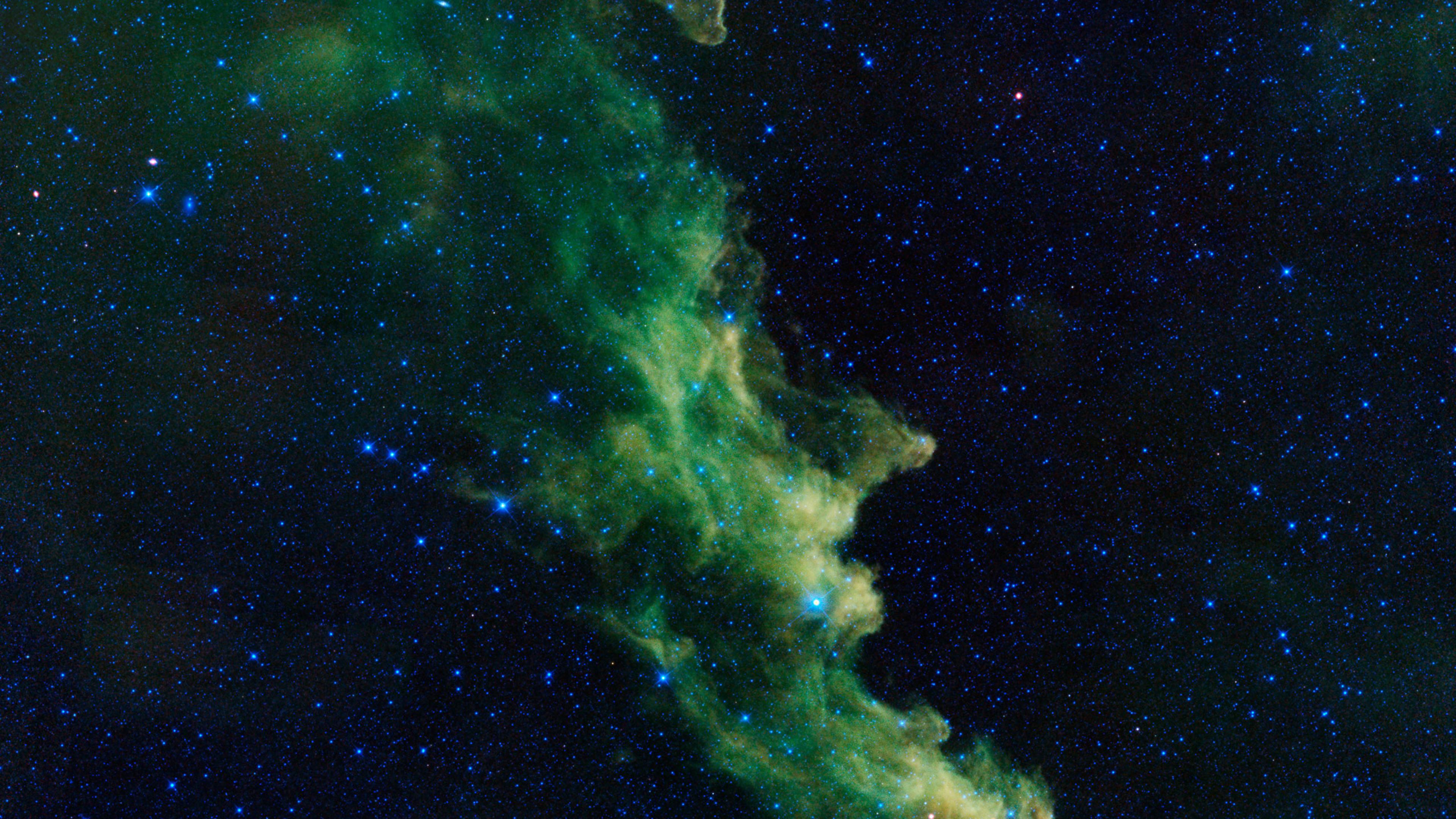
The Witch Head Nebula This infrared image shows the Witch Head nebula hundreds of light-years away in the Orion constellation, taken by NASA's Wide-Field Infrared Survey Explorer, or WISE. The clouds of the nebula, where baby stars are brewing, are being lit up by massive stars. Dust in the cloud is hit with starlight, causing it to glow with infrared light. NASA/JPL-Caltech
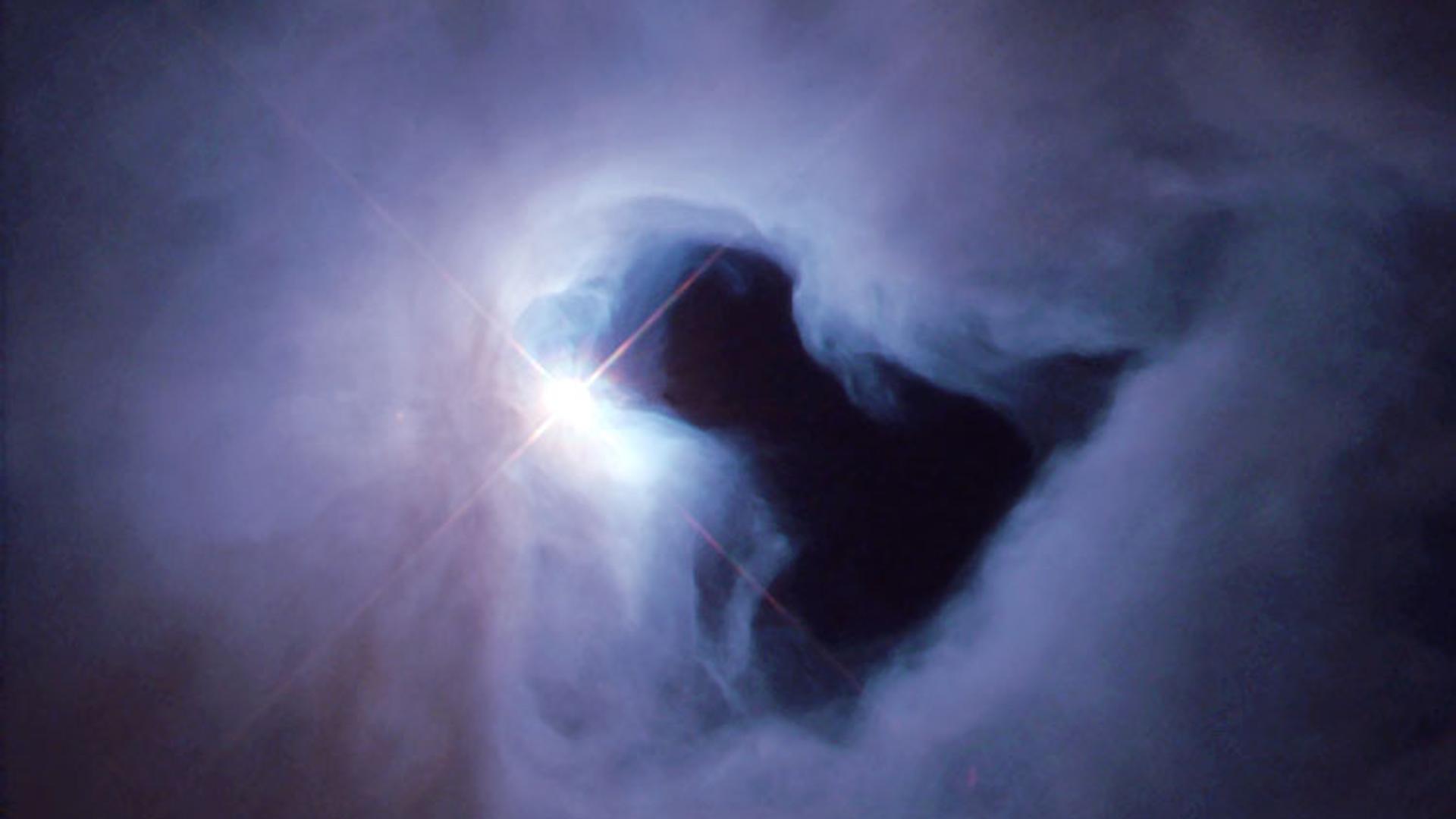
The Reflection Nebula Reflection nebulae do not emit light on their own, they are illuminated by a light source embedded within. The bright, young star left of center gives NGC 1999 its brightness. The gas and dust of the nebula is left over from the star's formation. NASA/The Hubble Heritage Team (STScI)
Advertisement
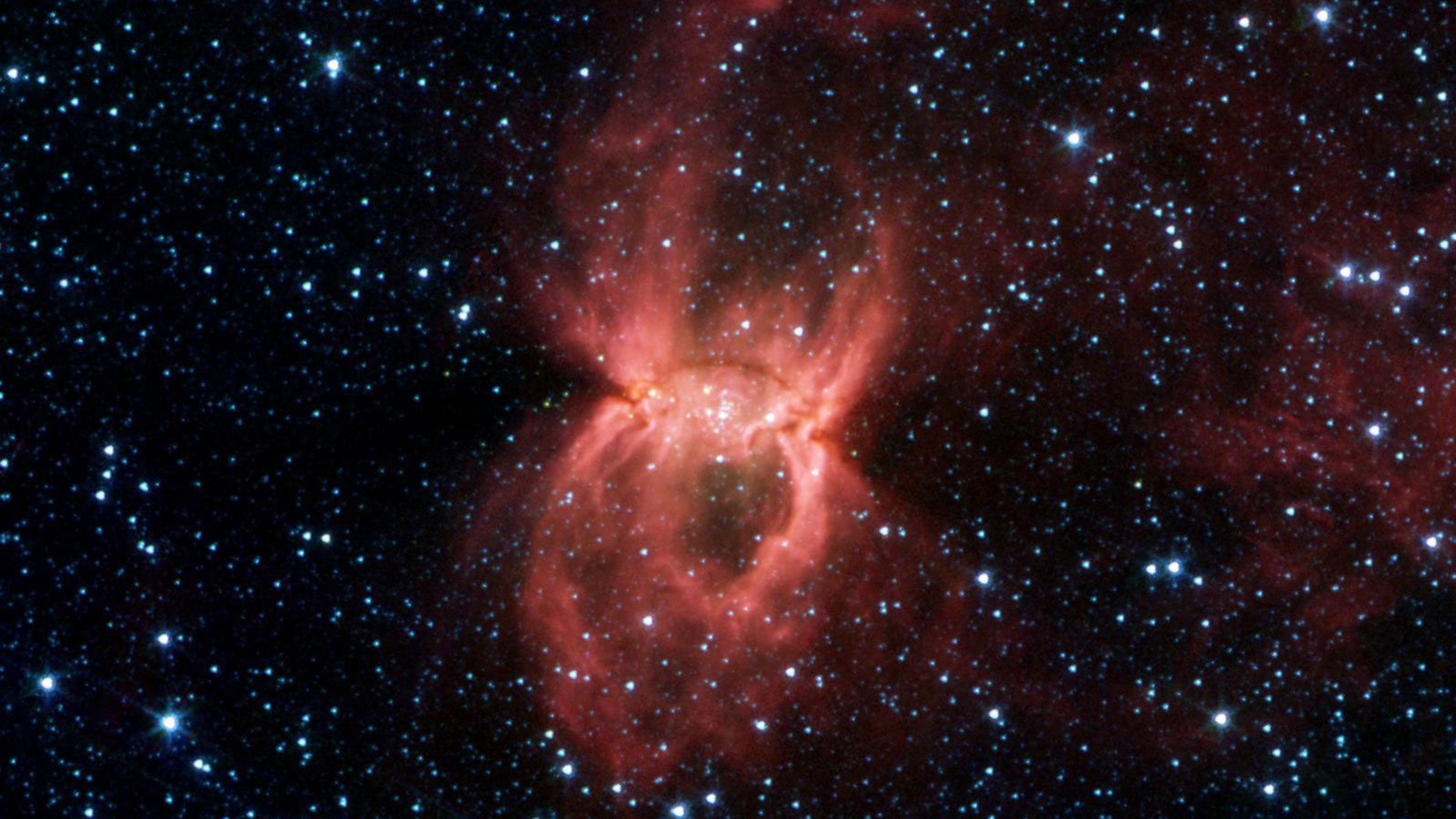
The Black Widow Nebula Astronomers suspect that a large cloud of gas and dust condensed to create multiple clusters of massive star formations in the Black Widow nebula. The combined winds from these groups of large stars likely blew out bubbles into the direction of least resistance, forming a double bubble which appear as the spider's legs. NASA/JPL-Caltech/Univ. of Wisc.
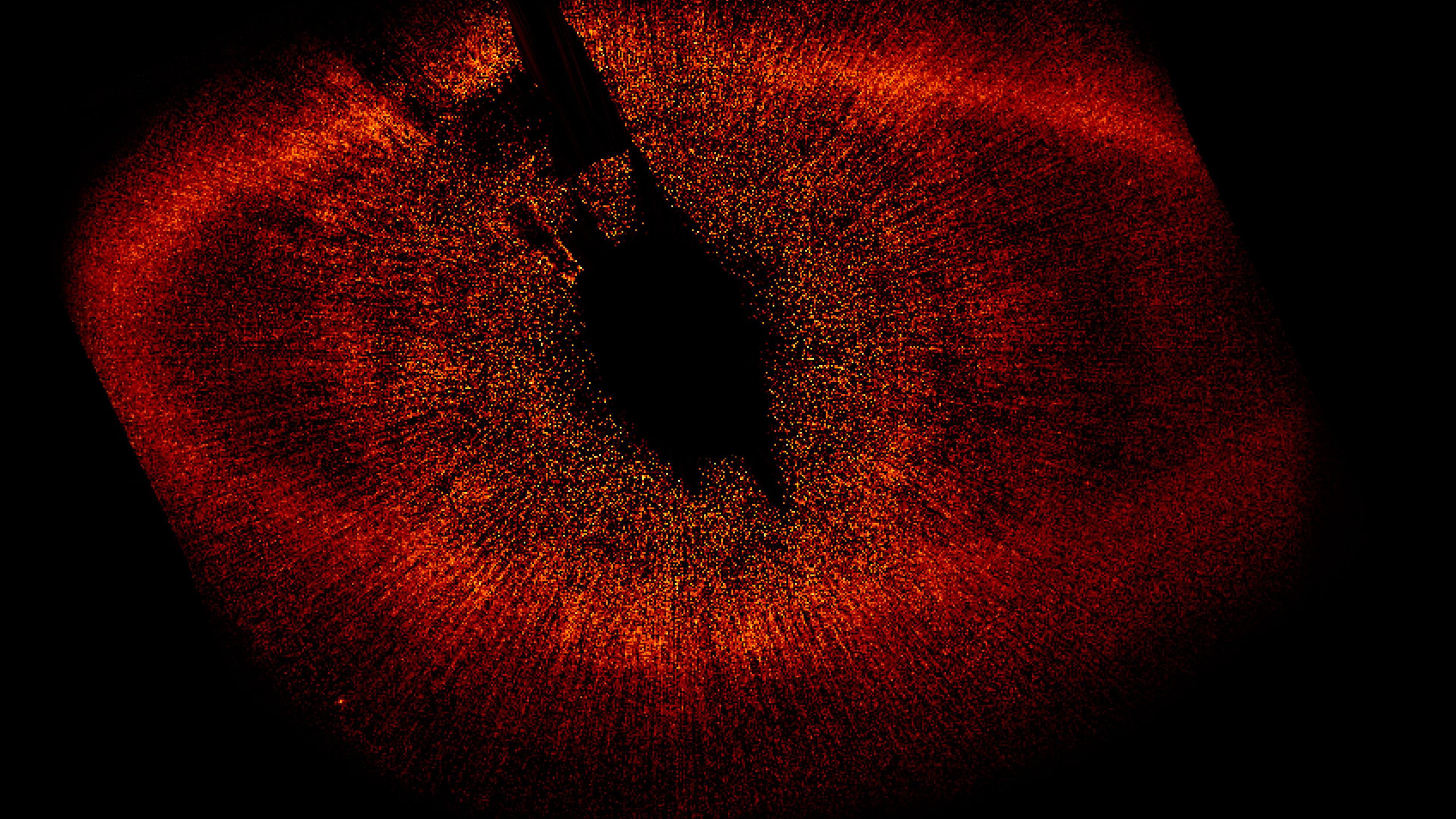
Great Eye of Sauron The large disk of gas surrounding Fomalhaut, dubbed the 'Great Eye of Sauron' by New Scientist magazine, is clearly visible in this image. Fomalhaut is the brightest star in the constellation Piscis Austrinus. NASA/ESA/P. Kalas (University of California, Berkeley, USA)
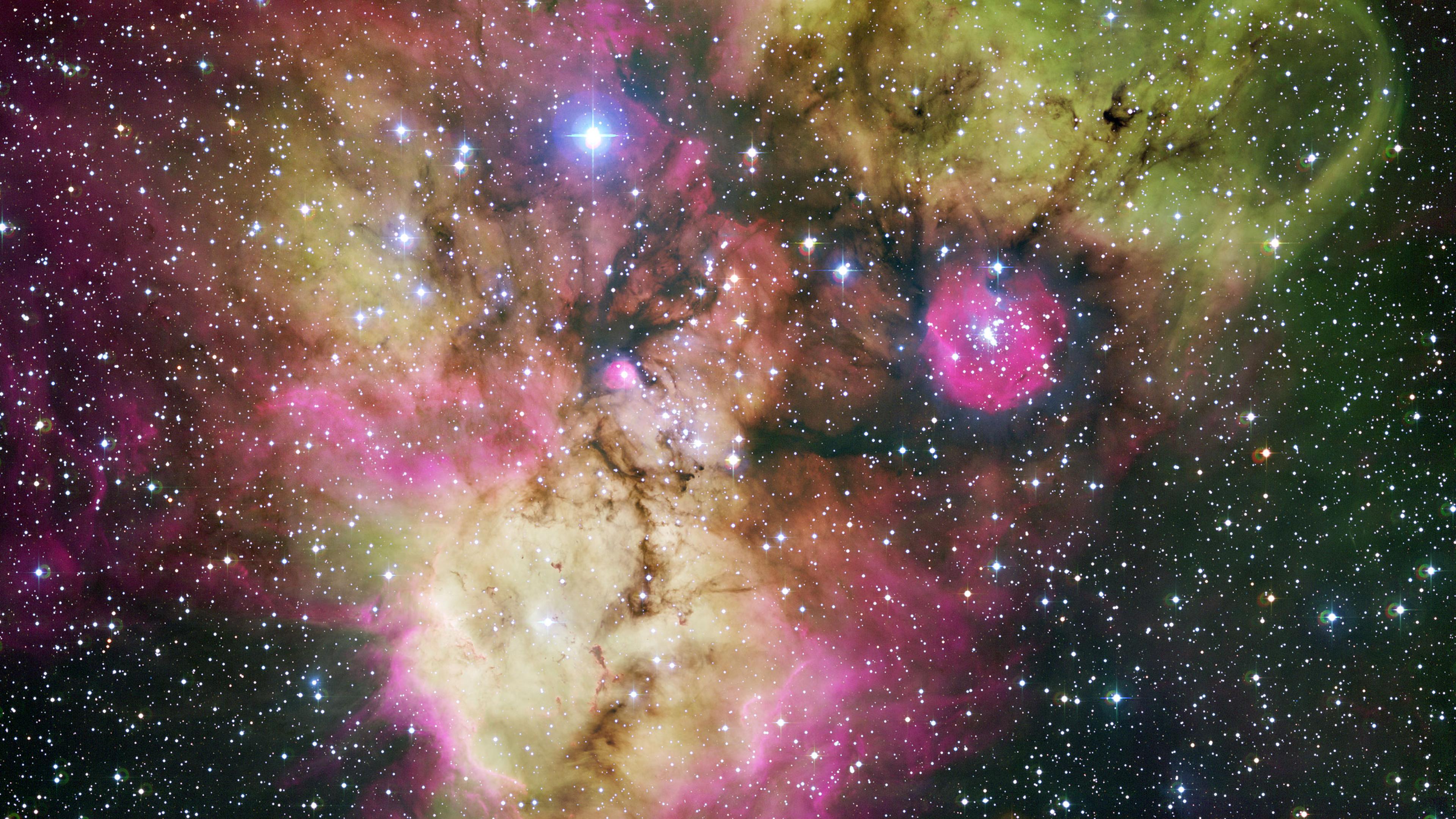
Franken Nebula The stellar cluster NGC 2467, also known as Franken Nebula, is located in the southern constellation of Puppis. NGC 2467 is a very active stellar nursery, where new stars are born continuously from large clouds of dust and gas. ESO
Advertisement
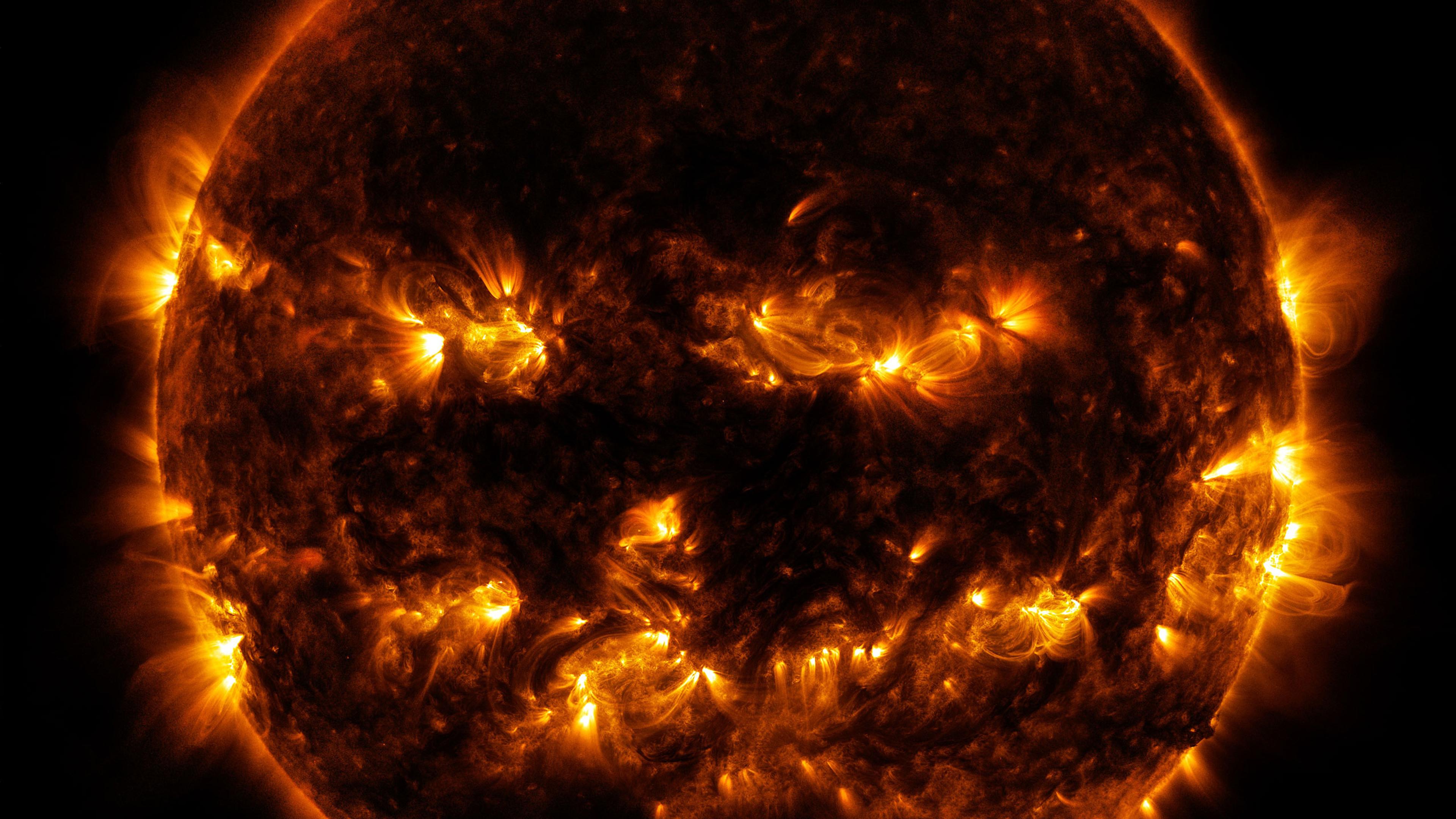
Jack-o-Lantern Sun Active regions on the sun combined to resemble a jack-o-lantern’s face on Oct. 8, 2014. The active regions in this image appear brighter because they emit more light and energy. NASA/GSFC/SDO
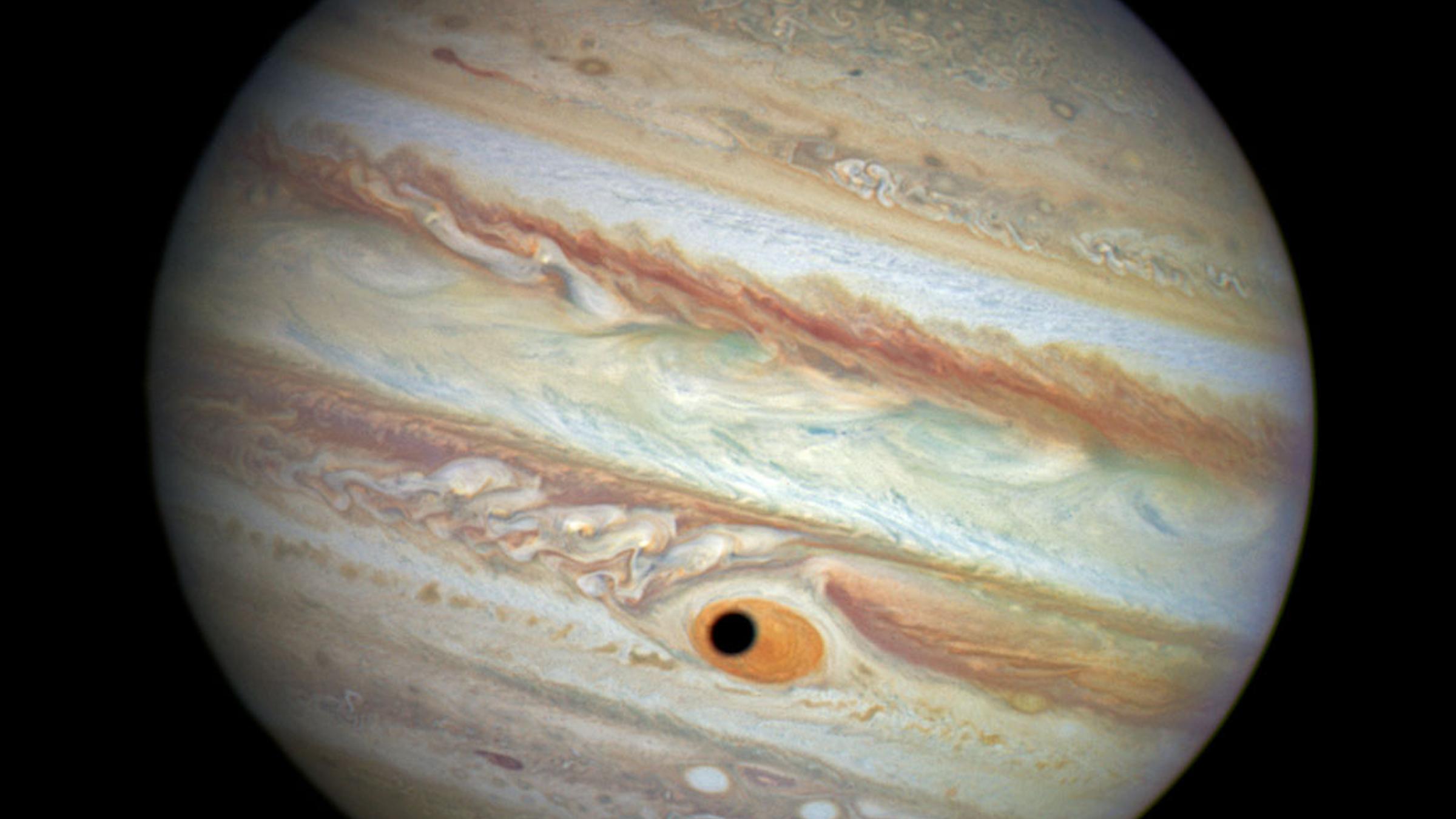
Jupiter's Giant Eye On April 21, 2014, when Hubble was being used to monitor changes in Jupiter's immense Great Red Spot (GRS) storm, the shadow of the Jovian moon Ganymede swept across the center of the GRS giving the giant planet the appearance of having a pupil in the center of a 10,000-mile-diameter "eye." NASA/ESA/A. Simon (Goddard Space Flight Center)
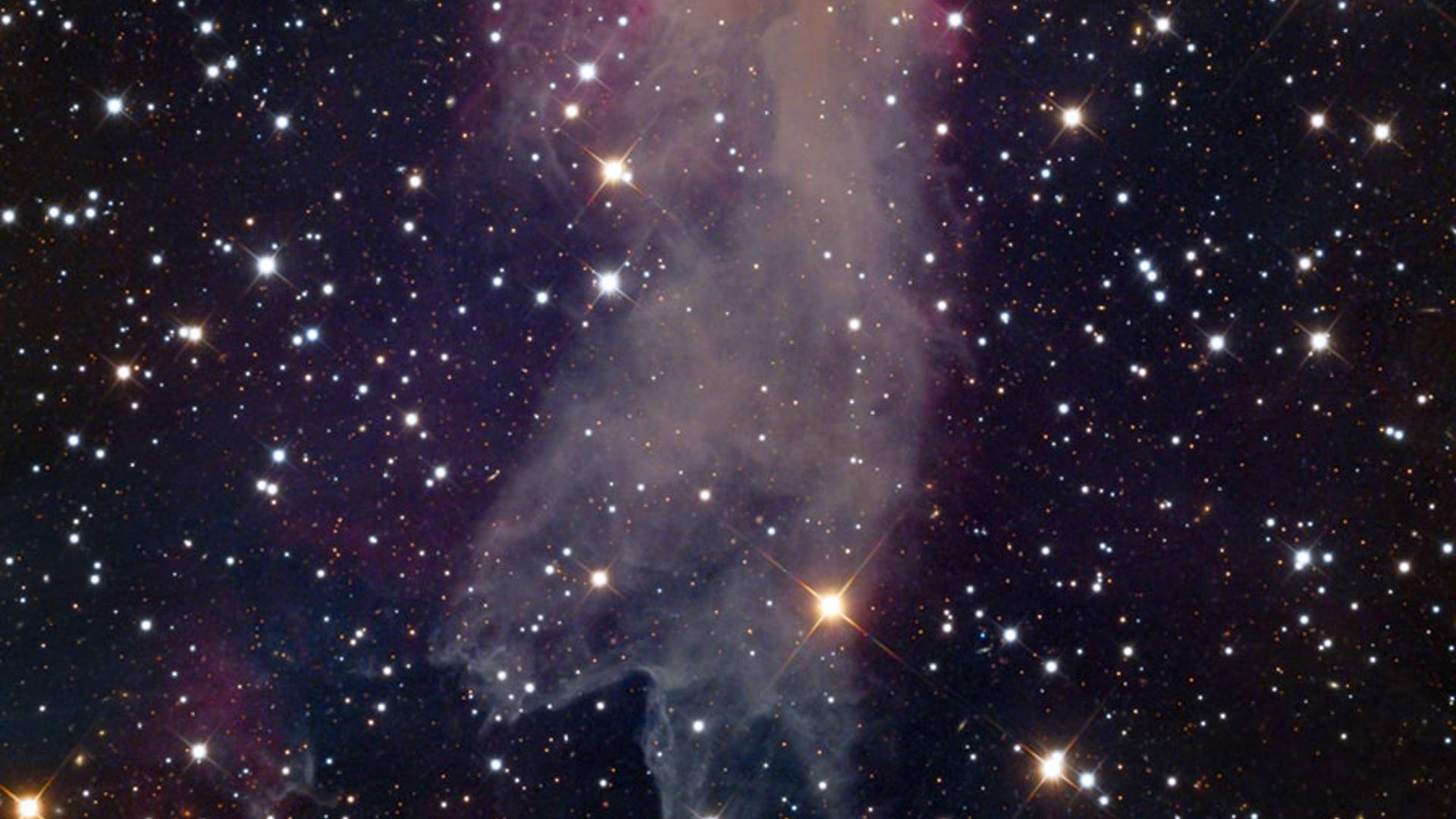
Spooky Sprite In this image of LBN 438 nebula, dubbed Spooky Sprite by astronomer Adam Block, the cloud of dust glows both from scattered starlight and extended red emission due to the radiation of some nearby star. Adam Block/Mount Lemmon SkyCenter
Advertisement
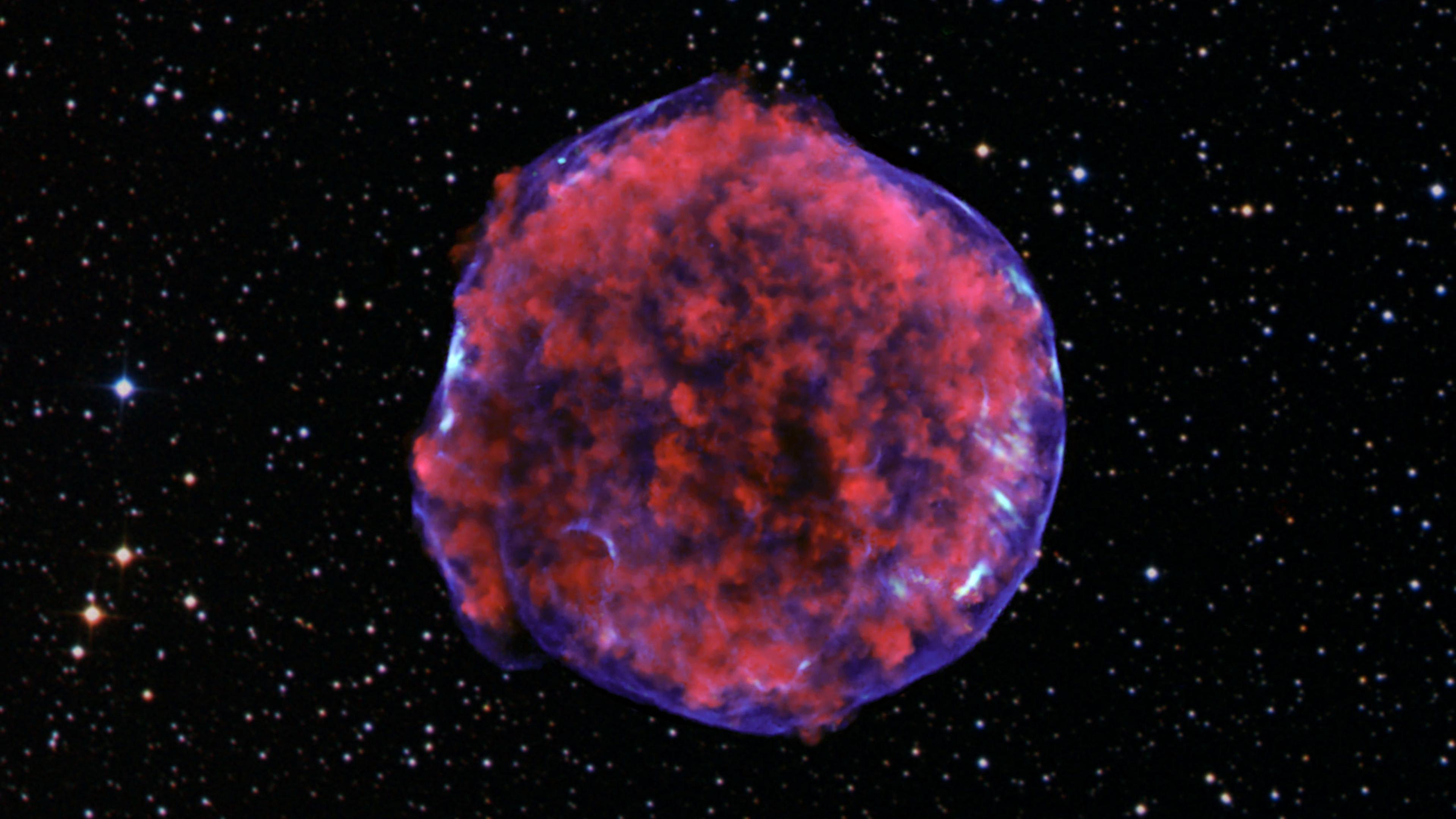
Zombie Star Tycho's supernova remnant is perhaps the most famous of the Type Ia supernovae, known as 'zombie' stars, which are white dwarves that feed off of stellar neighbors. Chandra X-ray Observatory Center/X-ray: NASA/CXC/Rutgers/K.Erik
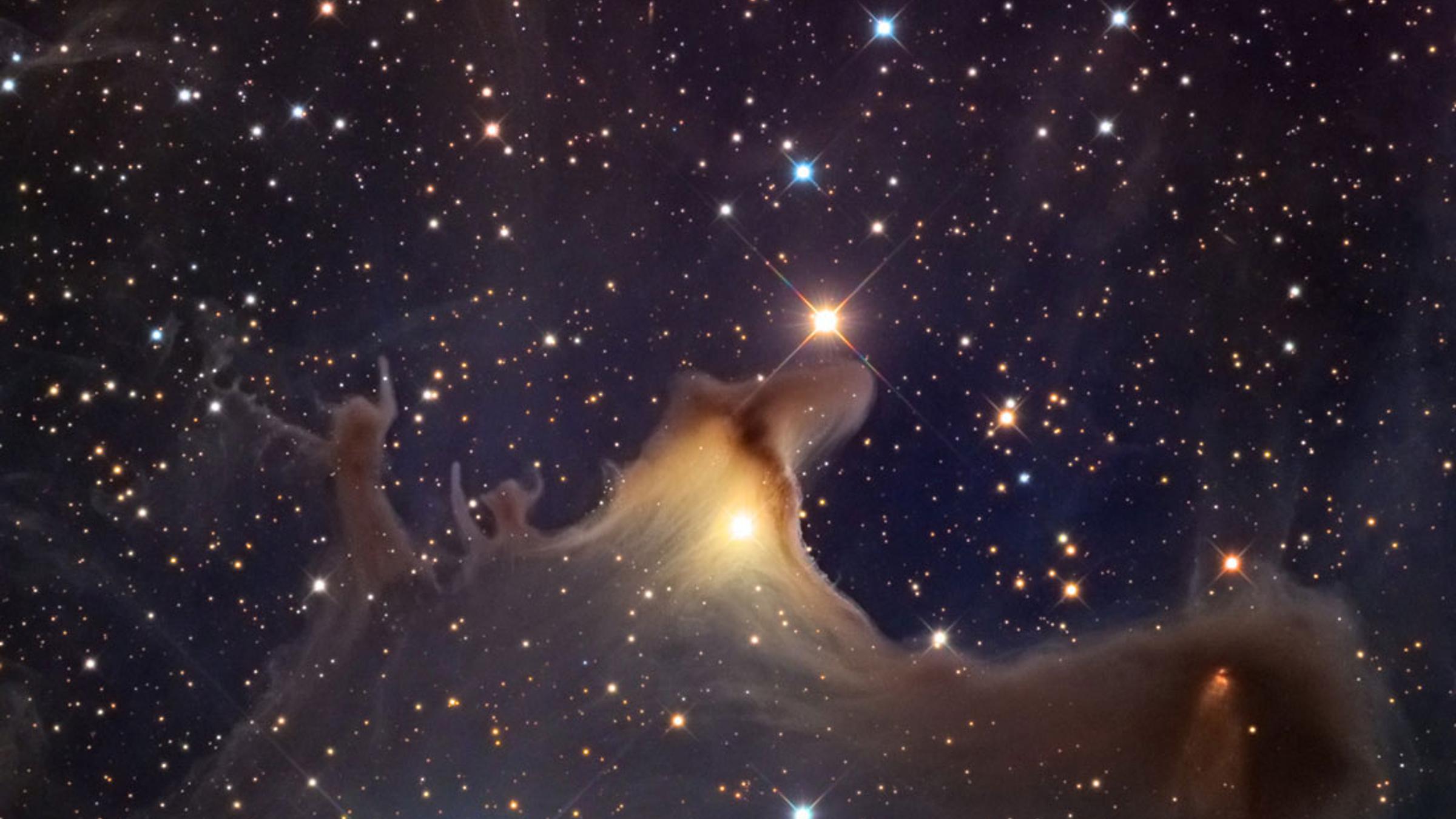
The Ghosts of Cepheus In this image of SH2-136 nebula, also known as the Ghosts of Cepheus, a few bright stars illuminate an otherwise dark and cold molecular cloud of gas and dust some 1,200 light years away. Adam Block/Mount Lemmon SkyCenter
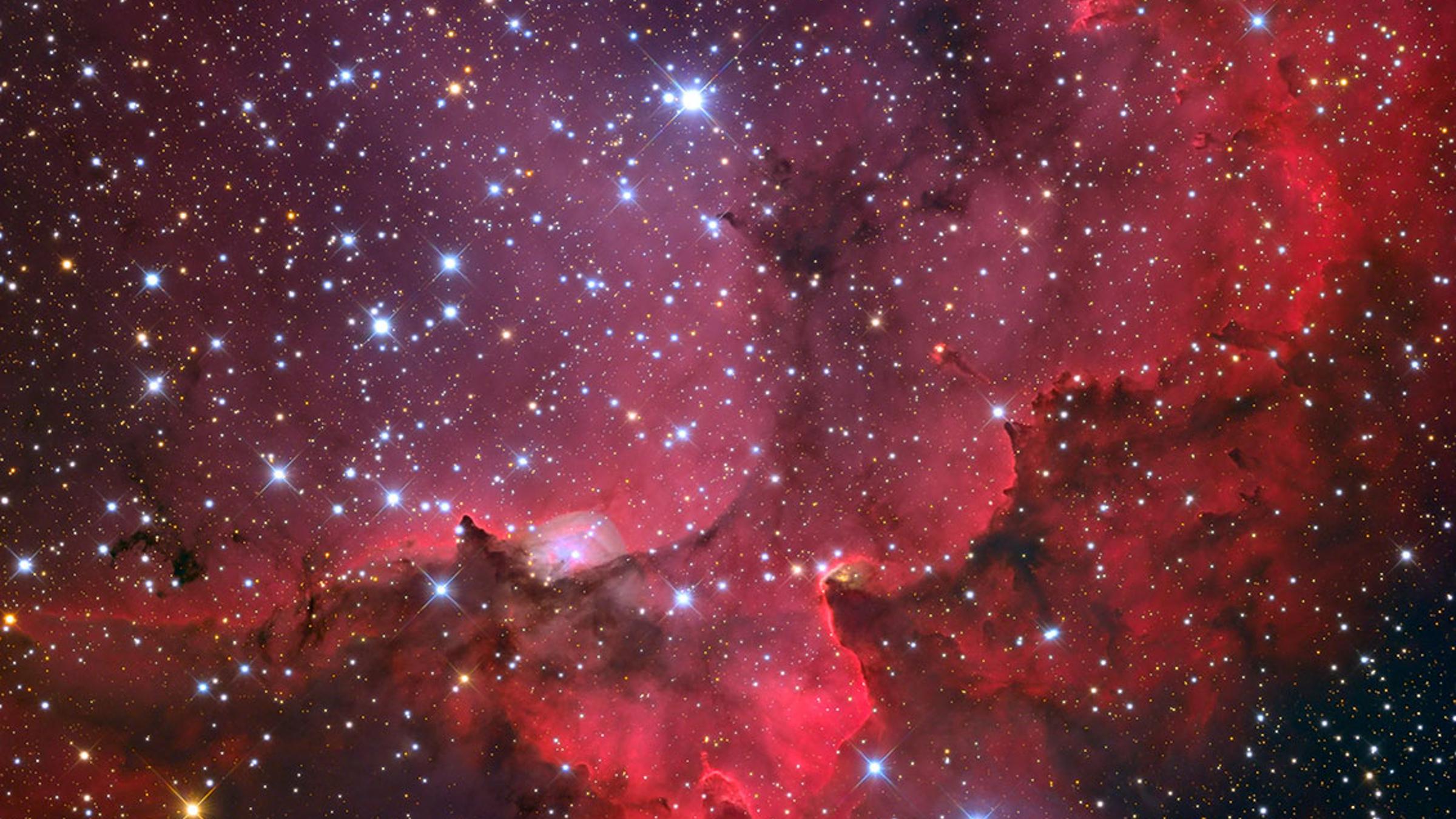
Wizard Nebula NGC 7380, also known as the Wizard Nebula, is a star-forming region surrounding a cluster of young stars. Radiation from the developing stars lights up the nebula. Adam Block/Mount Lemmon SkyCenter